Psilocybe ovoideocystidiata is a psilocybin-containing mushroom native to the eastern United States, and growing it successfully means understanding two things: where and why it fruits in the wild, and how to translate those conditions into a controlled setup. Before anything else, though, you need to be clear-eyed about the legal landscape. Psilocybin is a Schedule I controlled substance under the U.S. Controlled Substances Act, and cultivating it at home is treated as drug manufacture in most jurisdictions, carrying serious legal risk. This guide is written for readers in compliant, lawful situations, and everything here is framed around ecology, mycology, and general cultivation principles, not instructions to break the law. Read the legality section carefully before you go any further.
How to Grow Psilocybe ovoideocystidiata: Habitat and Steps
Where Psilocybe ovoideocystidiata grows in the wild
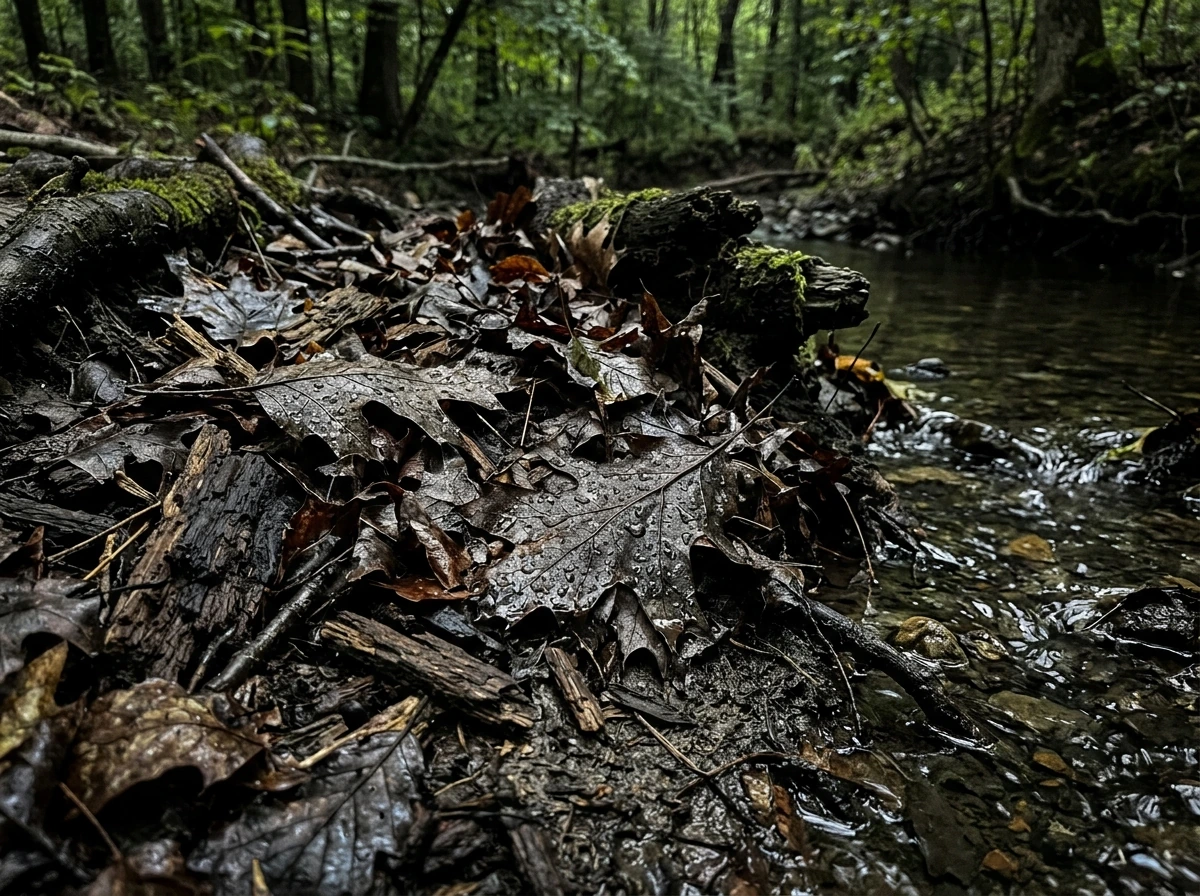
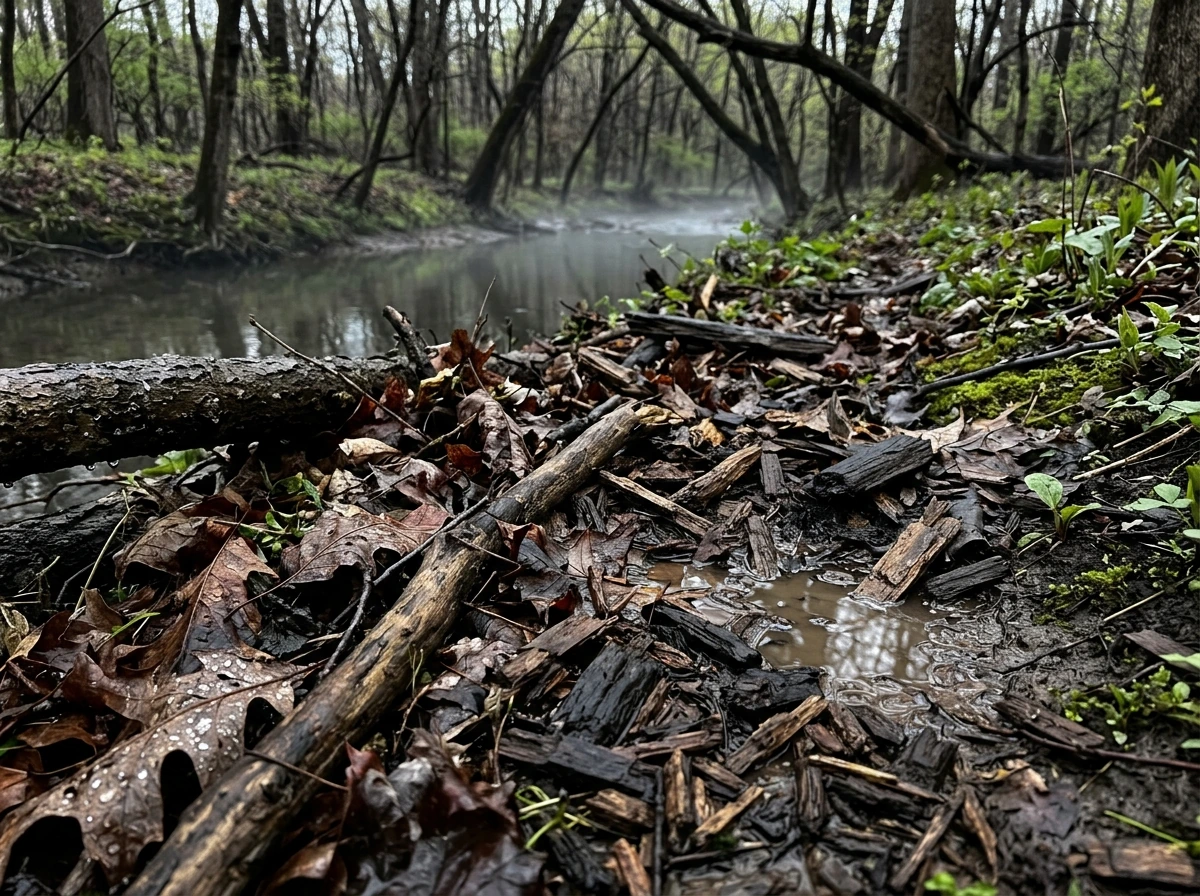
Understanding the natural habitat is the single most useful thing you can do before attempting cultivation, because this species is a specialist. It does not grow just anywhere. Its documented range runs along the eastern United States from Kentucky up to Rhode Island, with some records pushing further south. It is a riparian species, meaning it is closely tied to streambanks, floodplains, and areas that experience periodic flooding or waterlogging. You will typically find it fruiting from decaying hardwood chips, waterlogged woody debris, accumulated leaf litter, and silty organic matter in shaded, moist corridors near moving water.
Seasonality is one of its most defining and frustrating traits. This species is strongly spring-dominant, with the bulk of fruiting happening in spring and early summer. Even when conditions appear favorable outside that window, fruiting is rare. That is a critical data point for cultivation: unlike some species that will fruit almost on demand given the right environment, ovoids appear to have a seasonal sensitivity baked in. Any indoor or outdoor cultivation attempt needs to account for that, which practically means mimicking the conditions of an eastern U.S. spring, not just generically high humidity.
Like other members of the Psilocybe genus, ovoids are bluing mushrooms, meaning the flesh bruises blue when damaged due to psilocin oxidation. In the field, identification requires care because lookalikes exist and fruiting timing can overlap with other Psilocybe species in the same habitat. If you are ever foraging or confirming a wild collection, use multiple identification resources and, ideally, involve an experienced mycologist.
Legality and safety: read this first
Psilocybin is classified as Schedule I under the U.S. Controlled Substances Act. That classification means it is considered to have no accepted medical use and a high potential for abuse under federal law, and manufacturing or cultivating it without specific authorization (such as a DEA research license) is a federal offense. The DEA treats home cultivation of psilocybin mushrooms the same as manufacturing a controlled substance, which can carry severe penalties.
At the state level, the picture is more complicated and changing fast. Some states and municipalities have decriminalized possession, others have enacted licensed therapeutic frameworks, and a handful are actively working through legislation. But decriminalization is not the same as legalization, and a local ordinance does not override federal law. If you are in a state with a licensed psilocybin program (Oregon and Colorado have enacted frameworks as of this writing), there may be a lawful pathway through licensed cultivation and recordkeeping, but the requirements are specific and heavily regulated. Do not assume a general decriminalization policy covers cultivation.
The practical guidance here: before you do anything, check your state's current controlled substance statutes directly (not blog summaries), check whether any local ordinances apply, and consult the UC Berkeley Center for the Science of Psychedelics' law and policy map or your state legislature's website for the most current enacted status. If you are outside the U.S., your country's analog act or equivalent drug laws apply. This article is written to support readers in lawful, compliant situations only.
On the safety side: psilocybin mushrooms are psychoactive and should be treated with the same seriousness as any pharmacologically active substance. Handling contaminated or misidentified material carries real physical risk. If you are working in any licensed research or therapeutic context, follow your program's biosafety protocols, store material securely, and maintain full recordkeeping as required.
Indoor vs outdoor: which setup actually makes sense
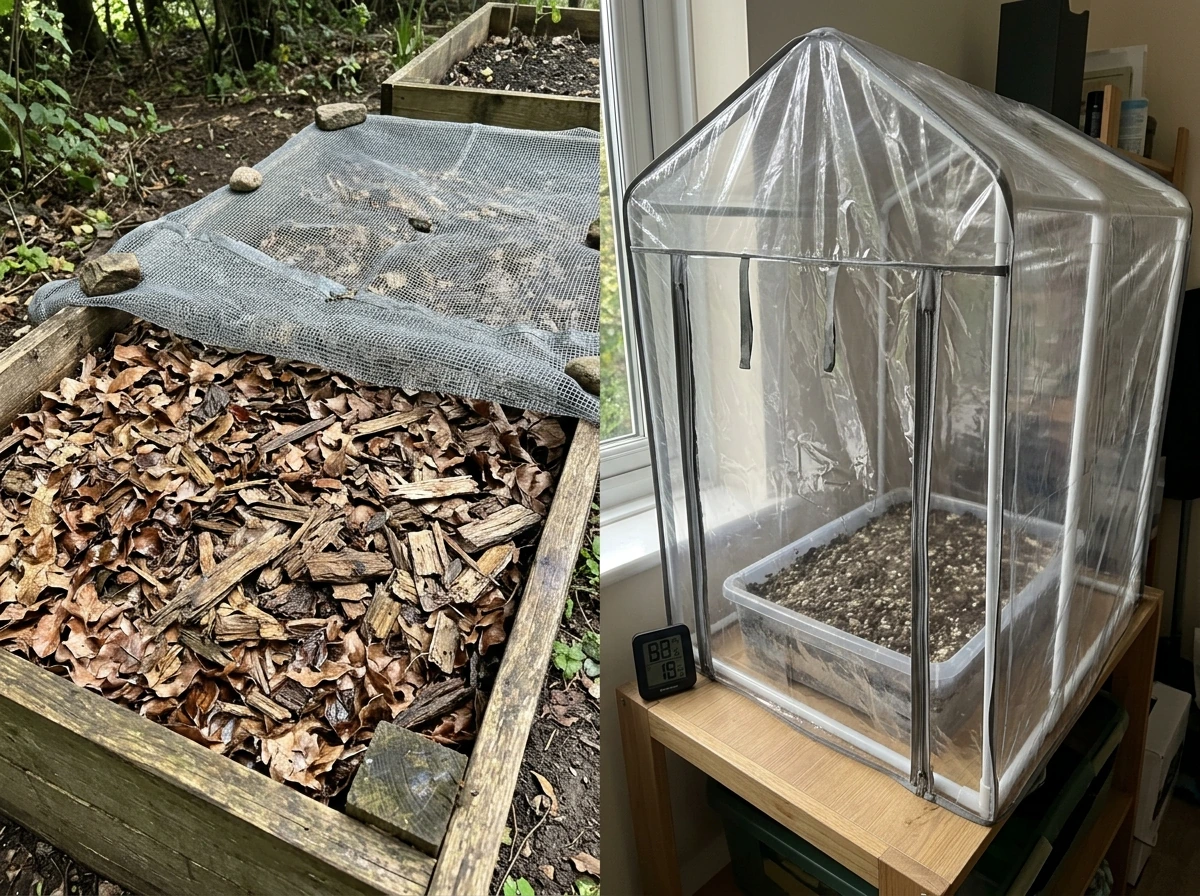
Given the riparian, seasonal ecology of ovoids, this is a species that lends itself better to outdoor cultivation than most Psilocybe species. It evolved in cool, wet, shaded, spring-season conditions in the eastern U.S., and replicating that outdoors in the right region is often more feasible than maintaining the precise temperature and humidity swings indoors year-round.
Outdoor setup
An outdoor bed approach works well for ovoids if you are in the right climate zone, specifically the mid-Atlantic, Northeast, or upper Southeast U.S., where spring conditions naturally match the species' needs. A shaded, moist area near a water source (a garden bed that gets natural rainfall and stays damp, under tree canopy) is a reasonable starting point. The key parameters are shade, consistent moisture, good organic substrate, and spring timing. You are essentially trying to mimic a floodplain edge. The downside is that you have less control over contamination, weather variability, and pests, and success is heavily dependent on your specific microclimate.
Indoor setup
Indoor cultivation gives you more control over humidity, temperature, and FAE (fresh air exchange), which matters when trying to hit the specific environmental targets ovoids need. The challenge is that this species has a pronounced seasonal fruiting sensitivity, so you cannot just run the same conditions year-round and expect consistent results. An indoor setup needs to mimic a spring transition: cooler temperatures, high humidity, and a gradual environmental shift that signals to the mycelium it is time to fruit. Tubs or shaded fruiting chambers work better than fully enclosed monotubs for this species because they allow the humidity and airflow management that riparian-adapted species benefit from.
| Factor | Outdoor Bed | Indoor Chamber |
|---|---|---|
| Climate control | Dependent on natural conditions | Fully controllable |
| Humidity management | Relies on rain and shade | Active humidification needed |
| Seasonal timing | Naturally aligned in correct regions | Must be manually simulated |
| Contamination risk | Higher (open environment) | Lower with clean technique |
| Setup cost | Low | Moderate |
| Best for | Eastern U.S. growers in correct climate | Growers needing year-round control |
For most growers in the eastern U.S., a hybrid approach makes sense: colonize spawn indoors under controlled conditions, then transfer the colonized substrate to an outdoor bed timed to coincide with natural spring conditions. This combines the contamination control of indoor incubation with the natural environmental triggers of the outdoors.
Substrate and casing: what this species wants
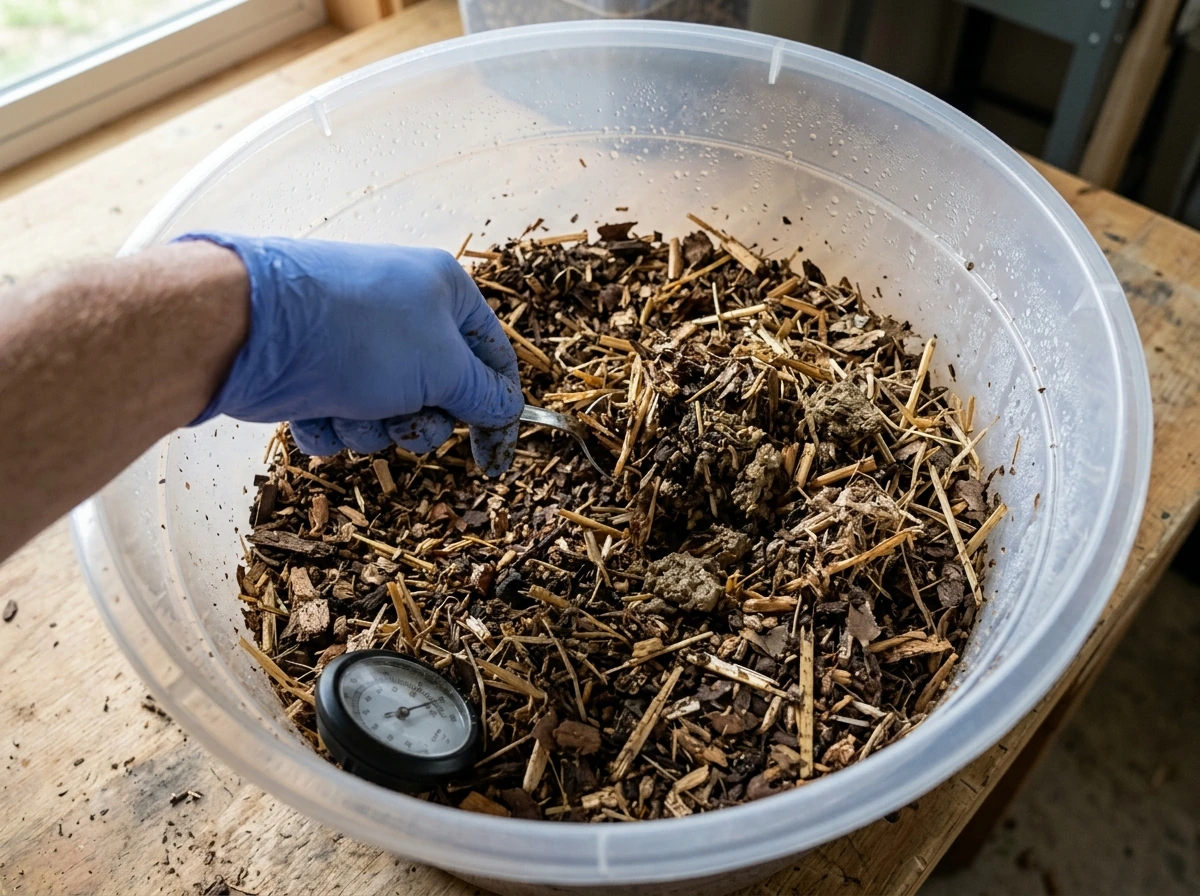
Ovoids in nature colonize decaying hardwood, waterlogged woodchips, accumulated silt, and leaf litter in riparian zones. That ecology tells you a lot about substrate choice. This is not a species that performs well on heavily grain-based or agricultural substrates alone. It is a wood-lover that wants a substrate with good water retention, adequate structure, and decomposed organic matter.
A hardwood chip and straw mix is a practical base, with supplemented hardwood sawdust (oak or alder work well) being a common component. The substrate should have high water-holding capacity but not be waterlogged to the point of anaerobic conditions. Think moist, not soupy. Aim for field capacity, where the substrate clumps when squeezed but releases only a drop or two of water.
A casing layer is strongly recommended for ovoids. In the wild, the fruiting bodies emerge from silt-covered, debris-topped substrate, not bare colonized wood. A casing layer of peat moss and vermiculite (a classic mix, roughly 1:1 by volume, adjusted to pH around 7–7.5 with hydrated lime) mimics that overlying organic material and helps maintain surface moisture, which is critical for pin formation. Apply the casing about 1–2 cm thick over fully colonized substrate, keep it moist, and give it time to consolidate before initiating fruiting conditions.
Spawning, incubation, and how long it takes
Spawning for ovoids follows the same general principles as other wood-loving Psilocybe species. Grain spawn (rye berry or wheat berry are commonly used) inoculated from a reliable spore or culture source works well as a colonization vehicle before being transferred to the bulk hardwood substrate. Mix your grain spawn into the bulk substrate at roughly a 1:3 to 1:5 ratio by volume (spawn to substrate), which gives the mycelium plenty of colonization momentum without over-supplementing in a way that invites contamination.
Incubation temperature for ovoids should be kept on the cooler side compared to tropical Psilocybe species. A range of around 21–24°C (70–75°F) is appropriate for the colonization phase. Ovoids do not want the warmer temps that something like Psilocybe cubensis tolerates. Keep the incubating tub or bag in the dark, maintain ambient humidity to prevent the substrate from drying out at the edges, and resist the urge to open it constantly to check progress.
Full colonization of a bulk substrate at these temperatures typically takes 3–5 weeks, depending on spawn ratio, substrate density, and how clean your inoculation was. White, ropy mycelium spreading evenly across the substrate surface is what you are looking for. Patchy growth that stalls often indicates a contamination issue or temperatures that are too cold. Once fully colonized, apply the casing layer and allow another 7–14 days for the mycelium to consolidate into the casing before transitioning to fruiting conditions.
Fruiting conditions: the details that make or break a grow
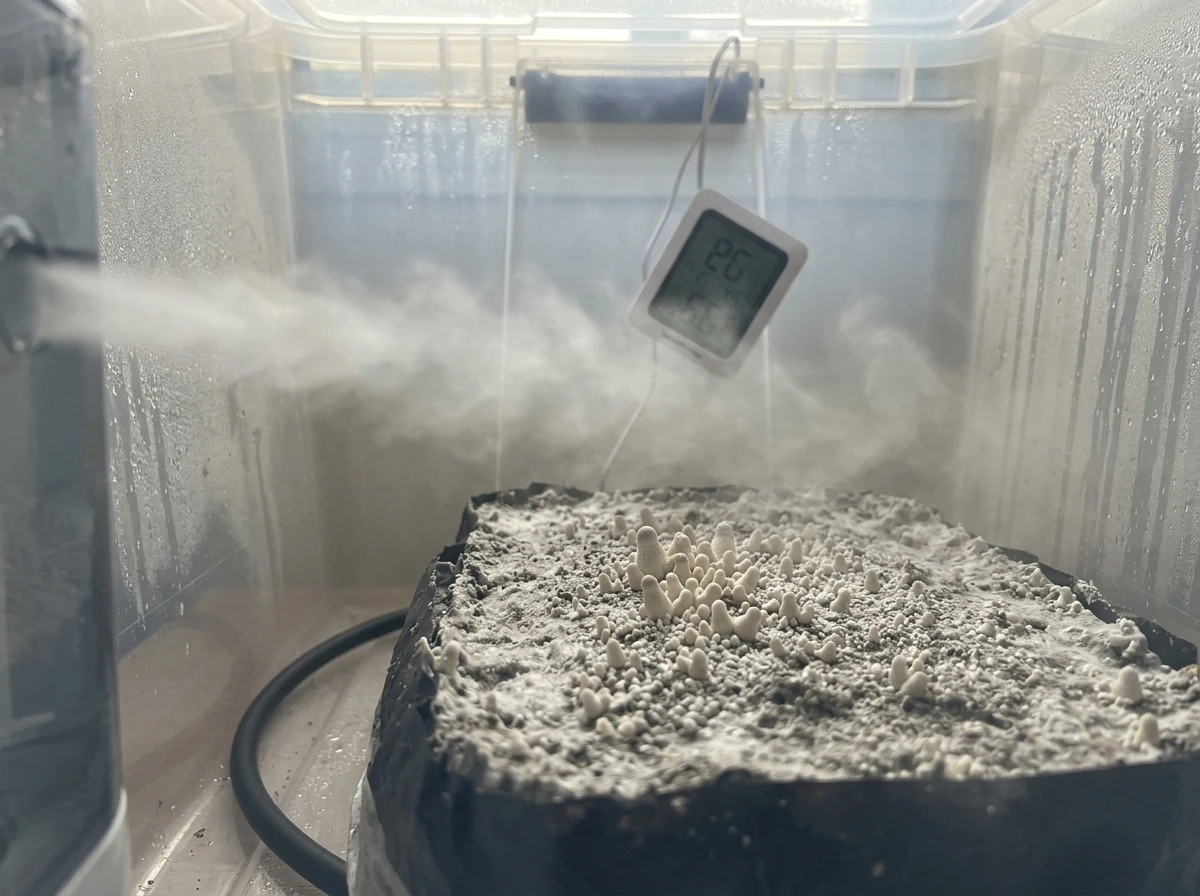
Fruiting is where ovoids demand the most attention, and where growers familiar with more forgiving species get into trouble. Think of everything you are doing as mimicking the edge of a shaded stream in an eastern U.S. spring.
Temperature
Fruiting temperatures should drop slightly from incubation, ideally into the 15–21°C (60–70°F) range. This cooler fruiting window is one of the most important distinctions between ovoids and warmer-climate Psilocybe species. Trying to fruit this species at cubensis temperatures (around 23–25°C) will produce poor results or nothing at all. If you are growing indoors and your ambient room temperature runs warm, you may need active cooling, a basement setup, or to time your grows for cooler months.
Humidity
Target 85–95% relative humidity throughout the fruiting period. Ovoids are moisture-hungry, which makes sense given their riparian origins. Misting the casing surface and chamber walls 2–3 times daily helps maintain surface moisture without saturating the substrate. The casing layer should stay visibly moist but never pooling with standing water. If you see the casing surface beginning to crack or lighten in color, it is drying out and you need to mist more frequently.
Fresh air exchange (FAE)
FAE is non-negotiable. Stagnant, CO2-rich air causes elongated, malformed pins and poor fruiting body development across virtually all mushroom species, and ovoids are no exception. Fan the chamber or open it for fresh air exchange at least 2–4 times daily. In a shaded outdoor bed, natural air movement handles this automatically. Indoors, even brief fanning sessions make a real difference. The goal is fresh air without desiccating the surface, so fan gently and mist right after if needed.
Light
Ovoids do not need intense light, and in the wild they fruit in deeply shaded riparian corridors. Indirect, ambient light for 12 hours a day is sufficient to give directional cues for fruiting body development. Avoid direct sun on an indoor chamber, which will cause temperature swings and drying. A simple overhead LED on a timer at low intensity works fine indoors.
Harvest timing
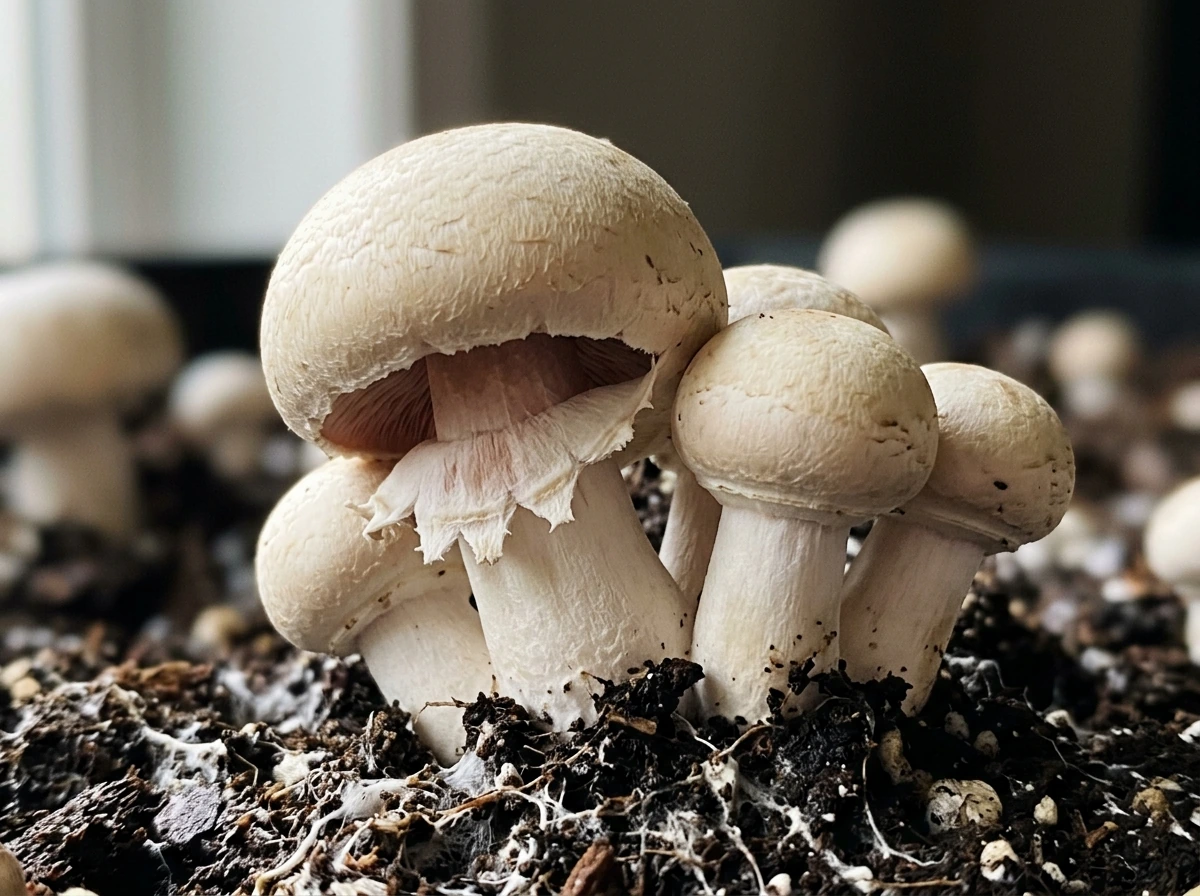
Harvest ovoids just before or as the veil underneath the cap begins to tear. Once the veil breaks and the cap fully opens, spore drop starts, which makes a mess of your casing surface and can inhibit subsequent flushes. Twist and pull gently at the base rather than cutting, to avoid leaving a stump that can rot and invite contamination. After harvesting, clean up any remaining pin stubs or dead material from the casing surface, mist lightly, and allow the bed to rest for 7–14 days before the next flush. Expect 2–3 flushes from a healthy bed, with the first and second being the most productive.
Troubleshooting: when things go wrong
Green or black mold (contamination)
Green mold (Trichoderma) is the most common contamination you will encounter, and it usually signals one of three things: the substrate was not properly pasteurized or sterilized before spawning, your spawn-to-substrate ratio was too low so the mycelium could not colonize fast enough to outcompete, or you introduced contamination during the spawning process. Small isolated spots can sometimes be contained by removing the affected portion and casing over the area, but widespread green mold typically means starting over. Prevention is everything here: use clean technique, pasteurize bulk substrate thoroughly (field pasteurization at 65–82°C for 1–2 hours is the minimum), and work quickly when combining grain spawn and bulk.
Mycelium stalls or grows very slowly
Slow or stalled colonization is almost always a temperature problem. If your incubation space is running below 18°C (65°F), ovoid mycelium will slow dramatically. Check your substrate temperature with a probe thermometer, not just ambient air, because dense wet substrate can run a few degrees cooler than the surrounding air. Bring temperatures up to the 21–24°C range and growth should resume. If it does not resume within a week, suspect a contamination issue that is not yet visually obvious.
No pins forming after casing
If your mycelium is fully consolidated into the casing but no pins are forming, the most likely culprits are: temperature is too warm (drop it toward the cooler end of the fruiting range), CO2 is too high (increase FAE frequency), or the casing surface has dried out. This species also has a genuine seasonal sensitivity, and if you are trying to fruit it during summer or fall under indoor conditions without simulating a spring transition, it may simply not cooperate. Try dropping temperatures by a few degrees, increasing fresh air exchanges, and ensuring the casing stays consistently moist. If you are outdoors in the wrong season, wait it out, because forcing fruiting against the species' seasonal clock rarely works well.
Aborts and small yields
Pinning that leads to aborted fruiting bodies before they develop is usually a humidity or FAE issue. Pins abort when conditions fluctuate too much, either drying out between misting sessions or getting hit with CO2 buildup during low-exchange periods. Consistency is the fix. Tighten up your misting schedule, check your humidity with a hygrometer rather than guessing, and make sure your fresh air exchanges are actually moving air through the chamber and not just briefly lifting a lid. Small yields on subsequent flushes are normal, first flushes are almost always the heaviest.
Putting it all together
Psilocybe ovoideocystidiata is not the most forgiving species to cultivate, so this guide on how to grow mushrooms psilocybe focuses on matching spring, moisture, and wood-loving conditions rather than a one-size-fits-all approach. It is a cool-season, moisture-demanding, wood-adapted specialist that evolved in very specific eastern U.S. riparian conditions, and it rewards growers who pay attention to those ecological details rather than applying a one-size-fits-all psilocybe cultivation approach. The practical takeaway is: match the spring conditions, keep it cool and wet, give it hardwood-based substrate with a good casing layer, and do not rush the seasonal timing. If you are working on other species in this genus, the general mycelium cultivation concepts here overlap with guides on [how to grow psilocybe azurescens](/grow-psychedelic-mushrooms/how-to-grow-psilocybe-azurescens) and Psilocybe cyanescens, both of which are also cool-weather, wood-loving species worth understanding in parallel. And regardless of species, always confirm your local legal situation is squared away before you start, because the cultivation hobby is only worth pursuing when you are doing it on solid legal ground. how to grow psilocybe natalensis
FAQ
What’s the biggest mistake people make when trying to grow ovoids indoors year-round?
They treat it like a stable, repeatable “humidity and temperature only” crop. Ovoids have a spring-transition sensitivity, so you usually need a cooler, spring-like fruiting window and not just high humidity. If your room runs warm all year, plan for active cooling, a basement zone, or time your fruiting for cooler months.
How do I know my substrate is at the right moisture level before I spawn?
Use the field-capacity squeeze test described for your mix: the substrate should clump when compressed and release only a few drops, not stream water. If it pours or stays soggy, you risk anaerobic conditions and contamination. If it crumbles, hydration is too low and the casing can’t maintain a reliably moist surface.
Is pasteurization enough, or do I need sterilization for the bulk substrate?
Pasteurization can be workable if done thoroughly and you keep everything clean, but ovoids are less forgiving. If you repeatedly see Trichoderma or other fast colonizers, increase pasteurization time within safe temperature limits or use a stricter sterilization approach for your specific setup. The goal is to reduce competitors so the mycelium can colonize fast enough.
How do I prevent green mold if it shows up as isolated spots?
Act quickly while it is still localized. Remove the affected area down to clean material, lift and replace or carefully remove the casing over the spot, and keep the rest of the substrate undisturbed. Increase your cleanliness during future spawn and review whether your substrate pasteurization and spawn-to-substrate ratio were sufficient, because isolated spots often come from a small contamination event during mixing.
What spawn-to-substrate ratio should I adjust if colonization is patchy?
If growth stalls in patches, increase the spawn percentage toward the upper end (closer to 1:3 rather than 1:5) and make sure the inoculation was evenly mixed. Patchiness can also be from dry spots in the bulk, but too-low spawn-to-substrate often gives competitors time to establish.
How can I measure conditions accurately, instead of guessing humidity and fresh air exchange?
Use a hygrometer inside the fruiting space to confirm RH, and avoid relying on “misting schedule” alone. For airflow, watch how quickly CO2 drops after venting, and do not just lift a lid briefly. Consistent exchange for the whole chamber matters more than occasional bursts.
My casing looks moist, but pins still abort. What should I check first?
Check temperature and air exchange consistency before adding more water. Abortions often happen when the casing surface dries between misting sessions or when CO2 builds during low-exchange periods. Confirm your fruiting temperature is in the cooler range and that fresh air exchange happens at the same cadence daily.
How thick should the casing be, and what happens if I make it too thin or too thick?
Aim for about 1–2 cm. Too thin can dry out faster and reduce reliable pinning conditions, too thick can hold moisture unevenly and slow consolidation, which can delay or reduce pin formation. Let it consolidate before triggering fruiting conditions.
When should I harvest, and why does spore drop mess with later flushes?
Harvest just before or as the veil underneath the cap begins to tear. After the cap opens and spore release starts, spores can coat the casing surface, increase mess, and disrupt the micro-environment that supports later pinning. Removing remaining stubs and resting the bed before the next flush helps recovery.
What’s the best way to troubleshoot “no pins” after full colonization into the casing?
Use a short checklist: confirm fruiting temperatures are not running warm, verify RH is staying high with the casing visibly moist but not pooling, and increase fresh air exchange frequency. Also consider timing, because trying to fruit outside a spring-like period indoors can simply fail even when conditions look adequate.