
Yes, mushrooms grow in Colorado, including wild edible species, morels, and psilocybin-containing species. But if you're here because you want to grow psychedelic mushrooms at home in Colorado, the answer is more layered than a simple yes or no. Colorado has one of the most progressive natural medicine laws in the country, but home cultivation still comes with real legal limits and a federal Schedule I status that doesn't just disappear. This guide walks through all of it honestly: what grows here naturally, where you'd find it, what the law actually says, and what you can realistically and legally grow at home right now.
How to Grow Psychedelic Mushrooms in Colorado: Legal and Basics
Marcus Holloway
24 Mar 2026
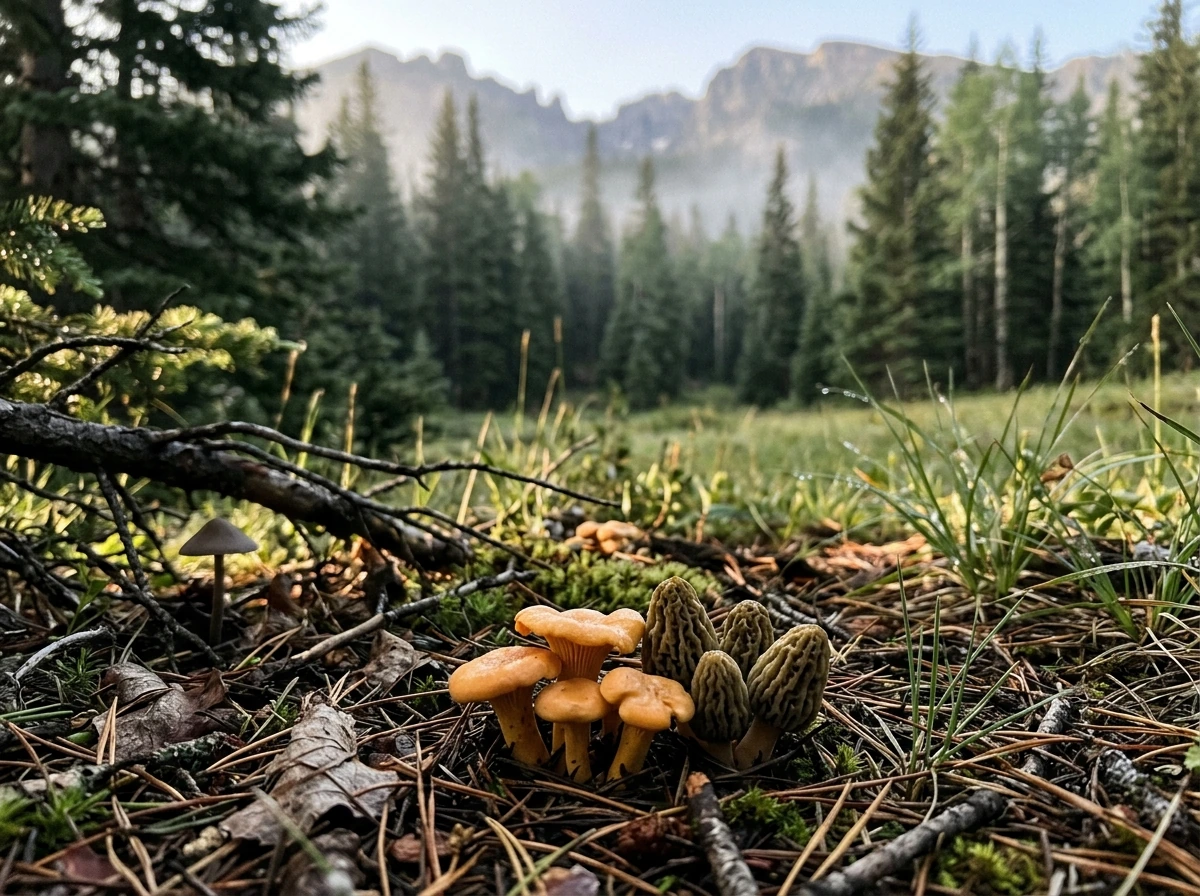
Do morel, edible, and magic mushrooms grow in Colorado?
Absolutely. Colorado hosts a surprisingly rich variety of wild fungi thanks to its diverse elevation zones, from high desert scrubland to dense subalpine forests. Morel mushrooms (Morchella species) appear in spring, particularly after wildfires, burned hillsides in Colorado are famous among foragers for producing spectacular morel flushes. Chanterelles, porcini (Boletus edulis), oyster mushrooms, lion's mane, and chicken of the woods also grow wild across the state.
Psilocybin-containing mushrooms do exist in Colorado. The most commonly cited species are Psilocybe cubensis and related Psilocybe species, as well as Panaeolus cyanescens, which can appear in manure-rich pastures and meadows at lower elevations. That said, wild magic mushroom encounters in Colorado are less common than in, say, the Pacific Northwest or Gulf Coast states. The climate here, dry, sunny, and with dramatic temperature swings, is not ideal habitat for most Psilocybe species, which prefer warm, humid, and consistently moist conditions.
Where edible and wild psychedelic mushrooms actually grow in Colorado
Location matters a lot in Colorado because the state spans multiple distinct ecosystems. Here's a practical breakdown of where different mushrooms show up and when.
Edible wild mushrooms
- Morels: Rocky Mountain foothills and burned forest areas, typically April through June depending on elevation. Post-fire morel hunting is a real Colorado tradition.
- Chanterelles and porcini: Mixed conifer and aspen forests between 8,000 and 11,000 feet, peaking July through September during monsoon moisture.
- Oyster mushrooms: Found on dead cottonwood and aspen logs along riparian corridors, spring and fall.
- Lion's mane: On dead hardwoods, less common but present in higher-elevation mixed forests.
- Chicken of the woods: On oak and conifer stumps at lower elevations, summer into fall.
Wild psilocybin-containing species
Psilocybin-containing mushrooms in Colorado are mostly found at lower elevations where humidity occasionally spikes and livestock graze. Panaeolus cyanescens and Psilocybe cubensis favor cattle and horse pastures with a history of manure accumulation, particularly in wetter agricultural areas along the Front Range or in irrigated valleys. Conditions need to be warm (above 65°F), humid, and ideally following rainfall. Because Colorado averages low humidity and lots of direct sun, truly reliable wild psilocybin mushroom habitat is limited. They're out there, they're just not as prolific here as in Florida or the Southeast.
The legal reality of growing magic mushrooms in Colorado
In November 2022, Colorado voters passed Proposition 122, the Natural Medicine Health Act. Colorado became only the second state in the nation (after Oregon) to legalize psilocybin mushrooms for personal use. As of 2025, Colorado is actively licensing psychedelic mushroom therapy facilitators and building out its regulated healing center system. That's genuinely significant progress.
Here's what the law actually allows for personal use: adults 21 and older can possess, use, and share psilocybin mushrooms without remuneration, meaning you can't sell them. Some personal cultivation for adult personal use is part of the framework, but the state's regulatory model is built around licensed natural medicine businesses (cultivators, product manufacturers, healing centers). The state makes clear that regulated natural medicine is intended to come from licensed sources, not unlicensed home grows used for any kind of exchange or facilitated service.
The law also creates specific new violations, activities involving minors, unlicensed commercial activity, and certain unlawful conduct are still criminal offenses under the framework. And there's the federal layer: psilocybin remains a Schedule I controlled substance under the federal Controlled Substances Act (21 U.S.C. § 812). That federal status hasn't changed. Denver also has its own natural medicine FAQ that makes it explicit: buying or selling psilocybin mushrooms or products remains against the law at the city level.
The bottom line for home growers: Colorado's law is more permissive than most states, and it represents a meaningful shift in how psilocybin is treated here. But home cultivation of psilocybin mushrooms for personal use exists in a gray zone with real federal risk, and this site focuses on practical growing guidance for legal edible, medicinal, and specialty mushrooms. Everything below applies directly to those legal grows, and the cultivation techniques transfer broadly if you ever want to explore what Colorado's evolving framework permits going forward.
Indoor vs outdoor growing in Colorado's climate
Colorado's climate is one of the trickiest in the country for mushroom cultivation. High altitude, low relative humidity (often 20 to 40% in urban and Front Range areas), intense UV radiation, cold nights even in summer, and dry winters all work against the warm, consistently humid conditions most mushrooms want. This is why I always recommend starting indoors if you're a Colorado grower.
| Factor | Indoor Growing | Outdoor Growing |
|---|---|---|
| Humidity control | Easily maintained with a tent, humidifier, or misting schedule | Difficult — Colorado's dry air pulls moisture away fast |
| Temperature stability | Controlled year-round with a grow tent and space heater/fan | Short viable window: May through October depending on elevation |
| UV and sun exposure | Not a concern indoors | Intense Colorado sun can dry and damage fruiting bodies quickly |
| Contamination risk | Lower with proper sterile technique | Higher — wild molds, pests, and weather events |
| Species options | Oyster, lion's mane, shiitake, reishi, king oyster, enoki | Morels, wine caps (Stropharia), wood blewits in shaded beds |
| Startup cost | Moderate ($50–$200 for basic indoor setup) | Low for outdoor beds ($20–$80 for materials) |
| Best for beginners? | Yes, more control and predictability | Outdoor wine caps are beginner-friendly but need setup time |
If you want to grow outdoors in Colorado, shaded garden beds on the north or east side of your house are your best bet. Stropharia rugosoannulata (wine caps, also called garden giants) are remarkably adaptable and can thrive in wood chip beds if you keep them consistently moist and out of direct afternoon sun. But for reliability, especially your first grow, go indoors.
Picking the right legal species to grow in Colorado
The good news: there are fantastic edible, medicinal, and specialty mushrooms that grow extremely well indoors in Colorado, and some that work outdoors too. Here's how to match species to your situation.
Best options for Colorado home growers
| Species | Difficulty | Best Setup | Time to First Harvest | Why It Works in Colorado |
|---|---|---|---|---|
| Oyster mushrooms (Pleurotus ostreatus/eryngii) | Beginner | Indoor grow tent or bucket | 3 to 5 weeks | Fast, forgiving, thrives in controlled humidity |
| Lion's mane (Hericium erinaceus) | Beginner-intermediate | Indoor grow bag or block | 4 to 6 weeks | Loves stable temps (65–75°F), excellent medicinal value |
| Shiitake (Lentinula edodes) | Intermediate | Indoor log or supplemented hardwood block | 8 to 16 weeks | Reliable yields, tolerates Colorado's cool indoor winters |
| King oyster (Pleurotus eryngii) | Beginner-intermediate | Indoor grow bag | 4 to 6 weeks | Handles lower humidity better than most oyster varieties |
| Reishi (Ganoderma lucidum) | Intermediate | Indoor log or block | 10 to 16 weeks | Slow but medicinal powerhouse, tolerates drier conditions |
| Wine caps / Garden giant (Stropharia rugosoannulata) | Beginner | Outdoor shaded wood chip bed | 4 to 8 weeks after establishment | Handles Colorado summers well with shade and consistent water |
| Morels (Morchella spp.) | Advanced | Outdoor bed (inoculation methods) | 1 to 2 growing seasons | Native to Colorado, but cultivation is unpredictable even for experts |
If I had to pick one species for a Colorado beginner, it would be oyster mushrooms every time. They're fast, they're forgiving of beginner mistakes, they fruit prolifically, and they taste great. If you want a medicinal focus, lion's mane is your next step, it's almost as easy and the cognitive health interest around it is well-founded.
The practical growing basics that work in Colorado
Here's where we get into the actual how-to. I'm going to focus on indoor growing since that's the most reliable approach for Colorado, but I'll flag outdoor adaptations where they apply.
Substrate: what your mushrooms grow in
Substrate is the growing medium, the material that provides nutrients and structure for mycelium to colonize. Your choice of substrate depends on the species you're growing.
- Oyster mushrooms: pasteurized straw, hardwood sawdust, or a blend of both. Straw is the cheapest and easiest starting point.
- Lion's mane: hardwood sawdust (oak, maple, beech) supplemented with wheat bran at a 10 to 20% ratio. Avoid pine or cedar.
- Shiitake: hardwood sawdust supplemented with bran, or actual hardwood logs (white oak is ideal — source locally in Colorado foothills).
- King oyster: hardwood sawdust supplemented with rye bran or wheat bran.
- Reishi: hardwood sawdust blocks, similar to lion's mane and shiitake.
- Wine caps (outdoor): wood chips from untreated hardwood or a mix of wood chips and straw on the soil surface.
Sterilization vs pasteurization
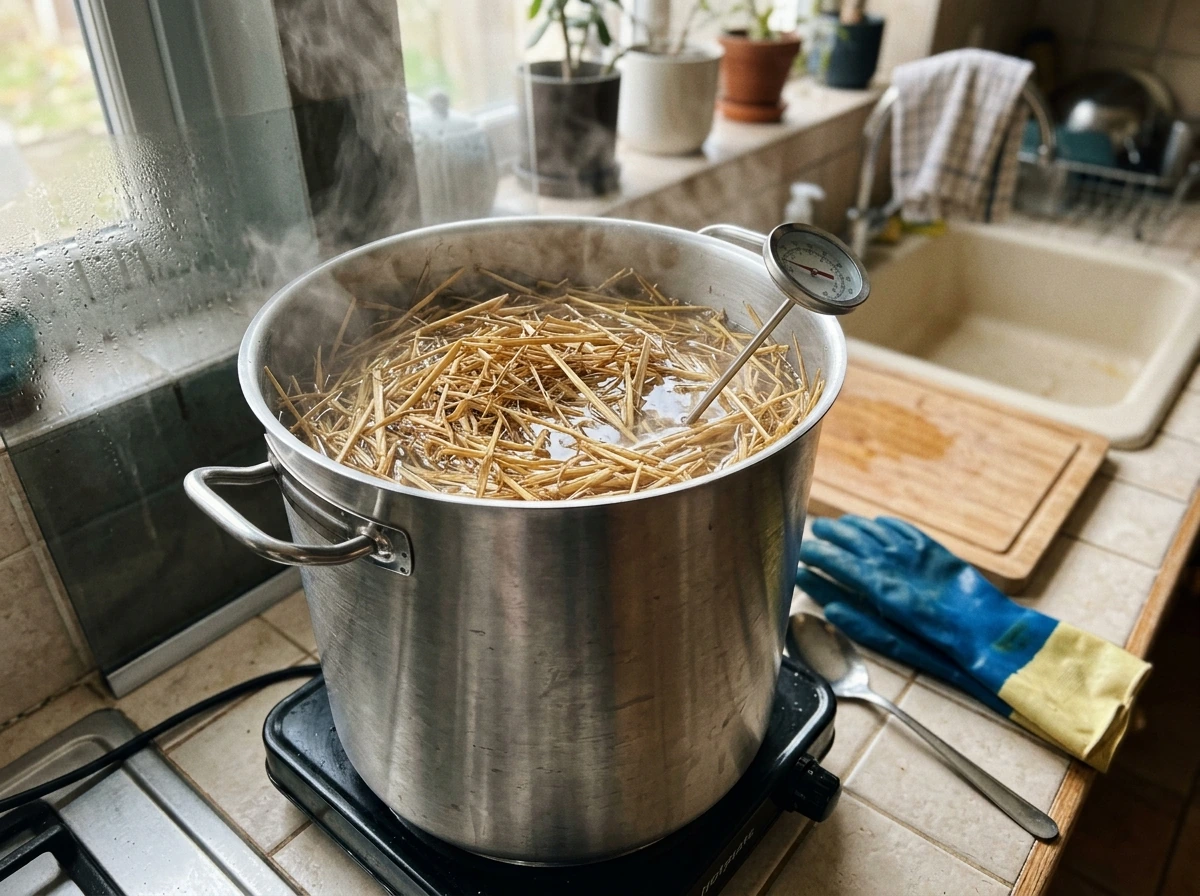
This is a step a lot of beginners skip or rush, and it's usually why they fail. Competing molds and bacteria will colonize your substrate before your mushroom mycelium can if you don't treat it properly. The method depends on your substrate's nutritional content.
Pasteurization (heating to 160 to 185°F for 1 to 2 hours) is sufficient for low-nutrient substrates like straw or wood chips. You can do this with a large pot of hot water or a 5-gallon bucket submerged in hot water. Sterilization (reaching 250°F under pressure, typically using a pressure cooker for 2.5 hours) is required for high-nutrient, supplemented sawdust blocks. The extra nutrition that makes mushrooms grow faster also attracts more competition, so supplemented substrates need that full pressure-cook cycle. This is non-negotiable for lion's mane, shiitake, and reishi grows.
Spawn and spores: how you inoculate your substrate
Spawn is colonized grain or sawdust that you mix into your prepared substrate to introduce the mushroom mycelium. For edible and medicinal species, you'll buy grain spawn (usually rye or wheat berries colonized with your chosen species) from a reputable supplier. Mix spawn into your cooled, prepared substrate at roughly a 10 to 20% spawn rate, more spawn means faster colonization and lower contamination risk.
Spore syringes and spore prints are the starting point for creating your own liquid cultures or agar plates, which is a more advanced route. As a beginner in Colorado, just buy ready-to-inoculate grain spawn for legal edible species and skip the spore phase entirely on your first few grows. You'll have a much higher success rate. Check suppliers that ship to Colorado, several reputable online vendors carry grain spawn for all the species listed above.
The grow setup: tent, humidity, and fruiting conditions
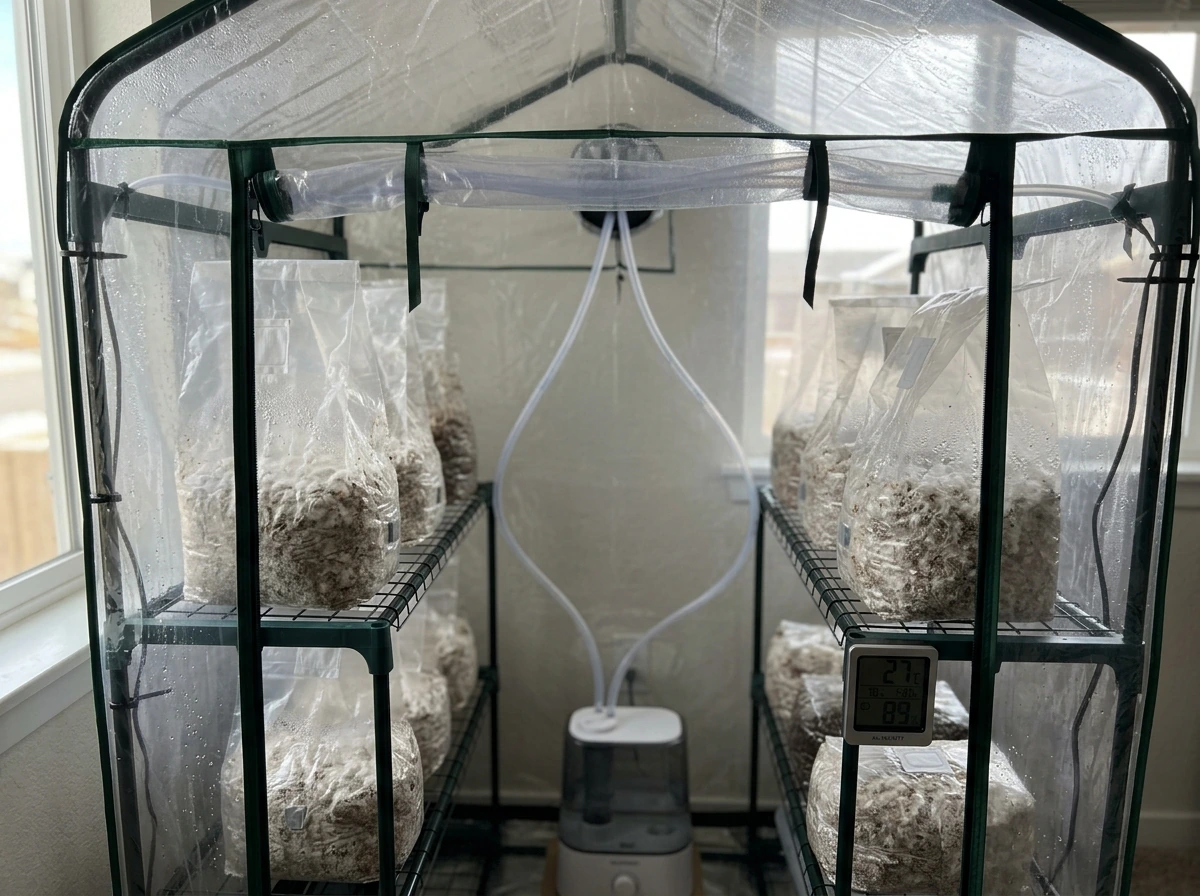
For indoor growing in Colorado, a basic setup goes like this:
- Get a small grow tent (2x2 or 4x2 feet is plenty to start) or convert a plastic tote or shelving unit with a humidity tent.
- Inoculate your prepared, cooled substrate bags with grain spawn in the cleanest environment you have — a still air box (a clear plastic tote with arm holes) works fine for beginners who don't have a flow hood.
- Seal your bags and let them colonize in a dark, warm location (70 to 75°F for most species). Colonization takes 2 to 4 weeks depending on species and spawn rate.
- Once the substrate is fully colonized (solid white mycelium throughout), introduce fruiting conditions: drop temperature to 65 to 70°F, increase fresh air exchange (FAE), and boost humidity to 85 to 95%.
- Mist your fruiting chamber 2 to 4 times daily with a hand sprayer or run a small ultrasonic humidifier. In Colorado's dry air, you'll likely need to mist more than growers in humid states. Don't let the surface of your block dry out.
- Fan for 30 to 60 seconds after each misting to prevent CO2 buildup and stagnant air, which causes long spindly stems and delayed pinning.
- Harvest mushrooms just before or as the caps begin to flatten and the veil (if present) starts to tear.
Colorado's low ambient humidity is the main challenge here. I've found that keeping a humidity sensor (a cheap digital hygrometer costs about $10) inside your fruiting chamber saves a lot of guesswork. Aim for 85 to 95% relative humidity during fruiting. If you drop below 80%, pinning slows or stops, and your mushrooms will crack and dry out.
Troubleshooting common problems and realistic timelines
Expect your first grow to be a learning experience. Here are the most common failure points in Colorado and how to handle them.
Common problems and fixes
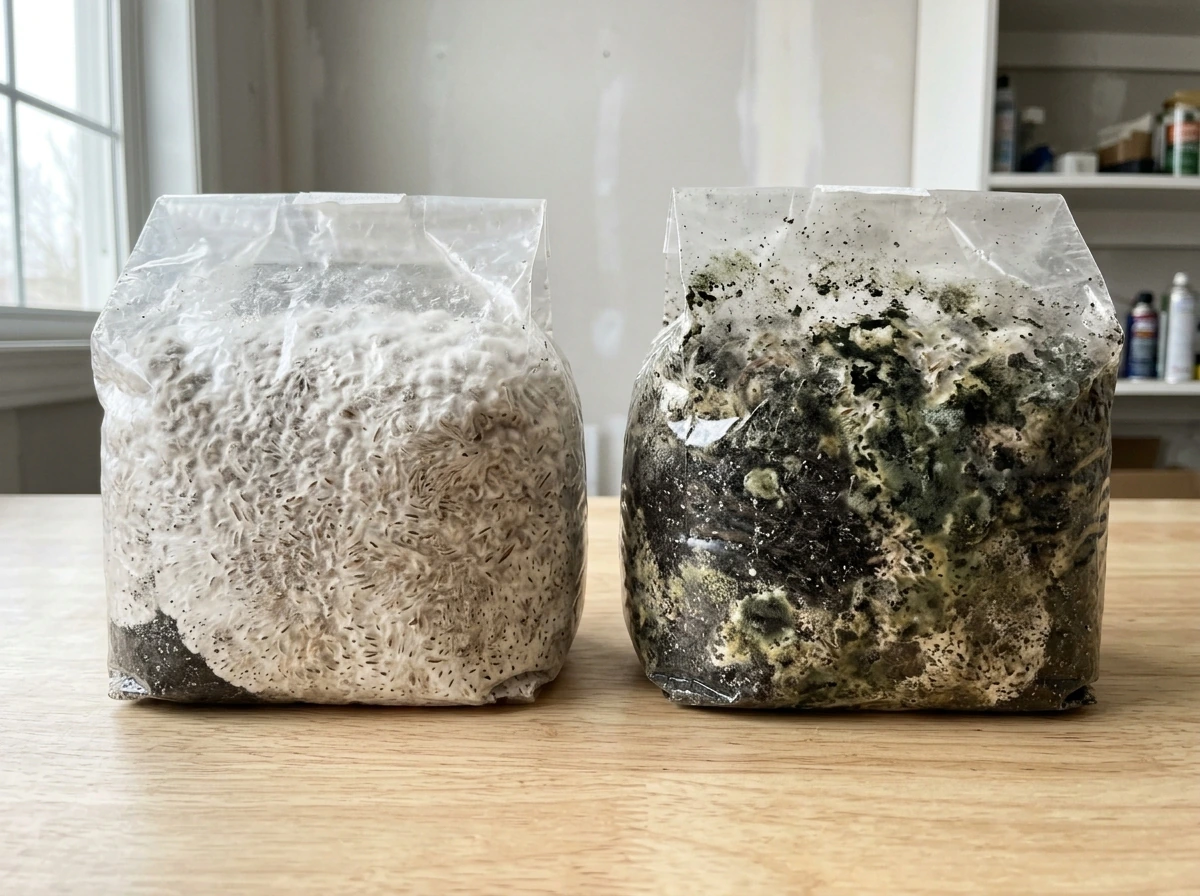
| Problem | Likely Cause | Fix |
|---|---|---|
| Green, black, or orange mold on substrate | Contamination from improper sterilization or inoculation | Discard the contaminated bag outside immediately. Next time: sterilize longer, cool fully before inoculating, work in cleaner conditions. |
| No pins forming after colonization | Low humidity, too much CO2, wrong temperature, or insufficient fresh air | Check humidity (should be 85–95%), fan more aggressively, drop temp slightly, and make sure your chamber has adequate air exchange. |
| Mushrooms growing long and spindly | CO2 buildup — not enough fresh air exchange | Fan more often or increase vent openings. High CO2 causes elongated stems and small caps. |
| Substrate drying out and cracking | Classic Colorado dry air problem | Mist more frequently, add a humidity tent over your fruiting block, or run a humidifier dedicated to the fruiting chamber. |
| Mycelium stops growing mid-colonization | Too hot, too cold, or early contamination | Keep colonizing bags at a stable 70–75°F. Check for any green spots that signal contamination. |
| Second flush much smaller than first | Normal — nutrient depletion | Soak your block in cold water for 8 to 12 hours (dunking) between flushes to rehydrate. Expect 2 to 4 flushes total from most blocks. |
Realistic timelines for Colorado growers
Here's what to actually expect from start to first harvest, using indoor growing:
- Oyster mushrooms: 3 to 5 weeks total. Colonization takes 2 to 3 weeks, then pins appear within days of introducing fruiting conditions. First flush can be large — 200 to 400 grams from a 5-pound block is realistic.
- Lion's mane: 4 to 6 weeks. A bit slower to colonize, but pins are unmistakable — white pompoms that grow fast once they start.
- King oyster: 4 to 6 weeks, similar to lion's mane.
- Shiitake on supplemented sawdust blocks: 8 to 12 weeks, including colonization and a cold-shocking step to trigger pinning.
- Reishi: 10 to 16 weeks. It's a slow, deliberate grower, and you need patience. But the antler-style growth in high CO2 environments and the fan-shaped fruiting bodies in high FAE are both interesting and genuinely valuable.
- Wine cap beds outdoors: Establish the bed in spring with wood chip substrate and spawn, and expect your first harvest 4 to 8 weeks later if conditions are warm and moist. The bed will produce for multiple seasons if maintained.
What success actually looks like
Most beginners in Colorado are surprised by how productive a simple indoor oyster grow can be once they nail the humidity piece. I've seen people go from zero growing experience to harvesting a pound of oyster mushrooms in their first month. The learning curve is real but short. Your second grow will almost always outperform your first because you'll know exactly where you went wrong. Most beginners in Colorado are surprised by how productive a simple indoor oyster grow can be once they nail the humidity piece. I've seen people go from zero growing experience to harvesting a pound of oyster mushrooms in their first month. The learning curve is real but short. Your second grow will almost always outperform your first because you'll know exactly where you went wrong. If you want a deeper dive into the full cultivation process before getting state-specific, check out our general guide on how to grow psychedelic mushrooms for a broader overview of cultivation fundamentals that apply across many species and setups. how to grow psychedelic mushrooms in maine
Colorado's climate makes you a more attentive grower by necessity. The dry air forces you to monitor humidity closely from day one, and that attention to detail is exactly what separates successful growers from frustrated ones. Start with oyster mushrooms, get comfortable with sterilization and fruiting chamber management, and you'll have a solid foundation for growing anything Colorado's evolving natural medicine landscape might one day make more accessible.
FAQ
Can I grow psilocybin mushrooms outdoors in Colorado reliably?
Yes, but they are a poor first choice in Colorado. Your best indoor options are oyster, lion’s mane, and other edible strains that tolerate lower humidity when managed, while outdoors you’ll generally rely on species like wine caps in shaded, consistently moist wood chip beds.
If I hit the right humidity (85 to 95%), why are my mushrooms still failing?
The biggest misconception is that humidity targets alone guarantee success. You also need stable fresh air exchange during fruiting, because stagnant air can cause thin, deformed pins and heavy surface contamination even when RH looks correct.
How do I keep humidity high without soaking my substrate or fruiting chamber?
Use your humidity readings to drive actions, not guesses. If RH is climbing because you’re adding water too often, you can still get wet surfaces that encourage bacterial blotch and mold, so aim for a controlled humidity cycle and avoid puddling inside the chamber.
Should I start from spores or should I buy grain spawn for my first Colorado grow?
For beginners, skip the spore stage. Buying ready-to-inoculate grain spawn for legal edible and medicinal species reduces variability and contamination risk, since starting from clean, colonized spawn bypasses early, sensitive steps like agar work.
Do I really need pressure sterilization for all substrates in Colorado?
It depends on substrate type and your controls. Low-nutrient substrates may tolerate pasteurization for beginners, but if you’re using supplemented sawdust blocks you need pressure sterilization for consistent results, especially in Colorado where dry air can tempt you to open the chamber more often.
What are the earliest signs of contamination in indoor grows?
Don’t measure contamination by smell alone. Early symptoms like off-color patches, fuzzy growth, or slimy areas can appear before a strong odor, so check on a schedule and remove problem bags or blocks promptly to avoid cross-contamination.
Why are my mushrooms not pinning, even though the chamber looks humid enough?
If you fruit in a sealed bin or closed monotub without airflow, you will usually see stalled pinsets. Even in Colorado, you typically need a modest fresh air exchange approach, like a properly sized filter or controlled fan cycle, so CO2 doesn’t build up.
What spawn rate should I use if I’m getting slow colonization or repeated contamination?
It helps to treat spawn rate as a contamination risk lever, not just a speed lever. Higher spawn can colonize faster and resist competitors, but oversizing spawn can still fail if sterilization/pasteurization or mixing hygiene is inconsistent.
How often should I open my fruiting chamber to check progress?
Yes, and it’s a common Colorado mistake. If you open the chamber repeatedly to “check” or to correct humidity, you can drive RH down below 80% long enough to dry pins or cause cracked caps, so use visual checks and a sensor to minimize door time.
How can I structure experiments after my first mushroom harvest?
If your first successful species is oyster, keep the workflow simple for your next attempt. For example, standardize your sterilization or pasteurization method, then change only one variable at a time (species or substrate), so you can identify what actually improved or caused failures.
Does Colorado’s psilocybin law affect how I should think about growing for edible or medicinal purposes?
Colorado’s law framework still requires careful separation between regulated natural medicine channels and any unlicensed activity. Even if you’re focused on edible or medicinal growing, avoid mixing materials, equipment, or messaging that implies sale or facilitation, because enforcement risk is tied to intent and use.
What changes should I expect when growing in Colorado during winter versus summer?
A more realistic next step is to plan for seasonal swings in indoor drying load. In Colorado winters, indoor heating can dramatically lower RH, so you may need to run your humidifier more frequently or adjust your chamber insulation and sensor placement to prevent RH from crashing between cycles.